What Springfield Homeowners Should Know Before Buying
Read Time: 6 minutes
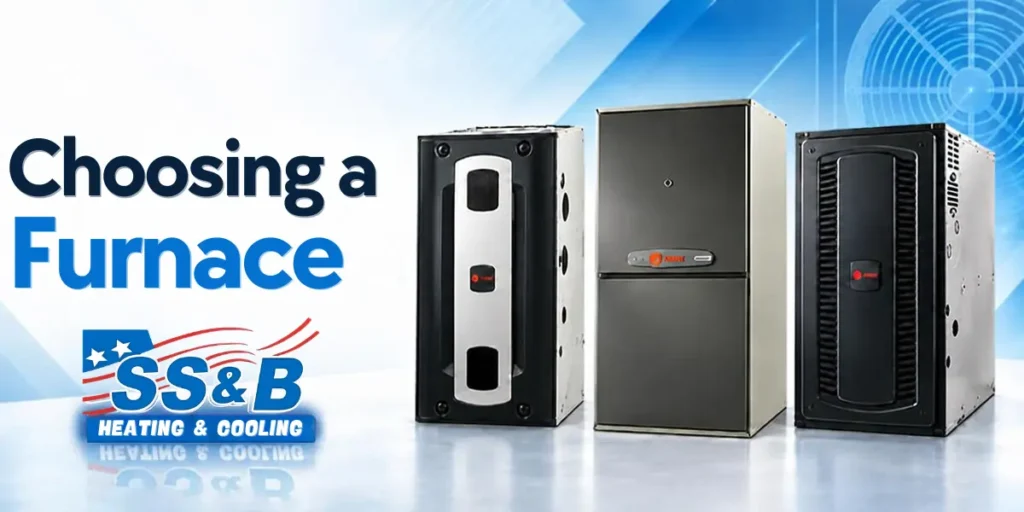
Choosing a new furnace involves more than comparing prices and efficiency ratings. Learn what matters most for comfort, performance, and long-term value.
Replacing a furnace is a major investment, and with so many models, efficiency ratings, and features available, knowing where to begin can be overwhelming. Most homeowners simply want a reliable heating system that keeps their family comfortable without sending their energy bills through the roof.
But choosing the right furnace involves more than finding a good brand or selecting the highest efficiency rating. The size of your home, insulation, ductwork, heating needs, and even the quality of the installation all play an important role in how well your new furnace performs.
At SS&B Heating & Cooling, we’ve helped Springfield-area homeowners with their heating needs since 1969. One thing we’ve learned over the years is that the most expensive furnace isn’t necessarily the best choice for every home.
First, Do You Really Need a New Furnace?
Before shopping for a replacement, it’s worth determining whether your existing furnace can be repaired. A furnace that isn’t heating properly doesn’t automatically need to be replaced, even if it’s getting older.
A worn ignition component, failing blower motor, dirty flame sensor, or another repairable issue may be responsible for the problem. Although replacement can make sense when repair costs become excessive or safety concerns arise, age alone shouldn’t determine the decision.
At SS&B, our service technicians are non-commissioned. Their job is to diagnose the problem, explain what they find, and provide an honest repair recommendation. If replacement makes more financial sense, we’ll explain why and help you understand your options.
Furnace Size Matters More Than You Might Think
One of the biggest mistakes when replacing a furnace is assuming that bigger means better. An oversized furnace can heat a home too quickly, causing it to turn on and off frequently. This is called short cycling, and it can create uneven temperatures, unnecessary wear, and reduced comfort.
An undersized furnace can have the opposite problem, struggling to maintain the desired temperature during Springfield’s coldest winter weather.
Proper furnace sizing begins with a heating load calculation, commonly called a Manual J. This calculation considers much more than your home’s square footage. Insulation levels, windows, air leakage, ceiling heights, home layout, and local winter temperatures all influence how much heating capacity your home actually needs.
Replacing an old furnace with another unit of the same size isn’t always the right approach, either. The original equipment may have been oversized, or improvements made to the home over the years may have changed its heating requirements.
Understanding Furnace Efficiency Ratings
When comparing gas furnaces, you’ll see an efficiency rating called AFUE, which stands for Annual Fuel Utilization Efficiency. It measures how effectively a furnace converts fuel into usable
heat over a heating season.
For example, an 80% AFUE furnace converts approximately 80% of the fuel’s energy into usable heat, while the remaining energy is lost through the heating process. A 95% AFUE furnace converts approximately 95% into usable heat.
Higher-efficiency furnaces generally consume less fuel to provide the same amount of heating, but that doesn’t automatically mean the highest-efficiency model is the most economical choice.
The difference in equipment and installation costs, your home’s heating demand, and local natural gas prices should all be considered. High-efficiency condensing furnaces also have different venting and condensate drainage requirements that can affect installation.
For Missouri homeowners, ENERGY STAR-certified gas furnaces must meet the program’s northern-region efficiency requirements. However, a furnace without ENERGY STAR certification may still be a practical choice depending on the home and budget.
Single-Stage, Two-Stage, or Modulating: What’s the Difference?
Not all furnaces deliver heat the same way. Understanding how different systems operate can help you decide which features are worth paying for.
Single-Stage Furnaces
A single-stage furnace operates at one heating output whenever it runs. It’s a straightforward design that typically has a lower initial cost.
For homeowners primarily concerned with dependable heating at an affordable price, a properly sized single-stage furnace may be a reasonable choice. However, because it operates at full heating capacity, indoor temperatures may fluctuate more noticeably between heating cycles.
Two-Stage Furnaces
A two-stage furnace has two heating output levels, typically a lower setting for milder weather and a higher setting when more heat is needed.
During much of the heating season, the furnace can operate at its lower heating level, allowing for longer, more consistent heating cycles. This can improve temperature stability and reduce some of the noticeable blasts of warm air associated with traditional single-stage systems.
For many homeowners, a two-stage furnace offers a useful balance between comfort, performance, and initial cost.
Modulating (Variable-Capacity) Furnaces
Modulating furnaces take temperature control a step further by adjusting their heating output in small increments to match the home’s heating needs.
Rather than repeatedly running at one or two fixed heating levels, these systems can make gradual adjustments to maintain more consistent indoor temperatures. They can also provide quieter operation and improved comfort when paired with a variable-speed blower motor.
Modulating furnaces generally cost more, and not every home requires that level of temperature control. Whether the additional investment makes sense depends on your comfort expectations, budget, and the home’s overall heating system.
Don’t Overlook the Blower Motor
The blower motor moves heated air through your ductwork and distributes it throughout the home. While homeowners often focus on furnace efficiency and heating stages, the blower motor also affects comfort, airflow, and electricity consumption.
Variable-speed blower technology can adjust airflow to meet system operating needs, often providing quieter operation and more consistent air circulation than traditional fixed-speed designs.
It’s important to understand that a two-stage furnace and a variable-speed blower are not the same thing. Heating stages control how much heat the furnace produces, while the blower controls how air moves through the system.
The right combination can make a noticeable difference in comfort, especially in homes where maintaining consistent temperatures has been difficult.
Your Ductwork Is Part of the Heating System
Even the best furnace can struggle to keep a home comfortable if the ductwork isn’t doing its job.
Undersized return ducts, restricted airflow, disconnected duct sections, or significant air leakage can prevent heated air from reaching rooms properly. These problems may also contribute to excessive noise, uneven temperatures, and unnecessary strain on equipment.
Before installing a new furnace, the existing duct system should be evaluated to determine whether it can support the equipment being recommended.
This doesn’t mean every furnace replacement requires new ductwork. In many homes, the existing system can be used successfully, sometimes with adjustments or repairs to improve airflow. The important thing is identifying potential problems before installing new equipment rather than discovering them afterward.
Installation Quality Is Just as Important as the Furnace
Homeowners sometimes spend hours comparing furnace brands and efficiency ratings without realizing how much the installation itself affects performance.
Proper airflow, gas supply, venting, electrical connections, condensate drainage where applicable, and system setup all need to meet manufacturer specifications and applicable codes.
A poorly installed premium furnace may perform worse than a more affordable model that has been properly selected, installed, and adjusted.
At SS&B Heating & Cooling, our installation process doesn’t end when the equipment is turned on. A dedicated quality-control staff member performs a follow-up inspection to help verify that the installation meets our standards and the equipment is operating properly.
We also provide a complimentary seasonal check of newly installed heating equipment during the heating season, helping ensure the system is performing as expected when homeowners need it most.
How Much Should You Spend on a New Furnace?
The lowest estimate isn’t always the best value, and the highest estimate doesn’t necessarily guarantee superior performance.
When comparing furnace proposals, make sure you’re looking at more than the total price. Equipment efficiency, heating stages, blower technology, warranty coverage, installation requirements, and any necessary ductwork improvements can all affect the final cost.
Ask whether the recommended furnace has been sized for your home, what installation work is included, and whether there are additional costs for venting, drainage, or other modifications.
A reputable HVAC contractor should be willing to explain the differences between available options without pressuring you toward equipment you don’t need.
Choosing the Right Furnace for Your Springfield Home
Springfield winters can bring everything from relatively mild afternoons to freezing temperatures and extended cold spells. A properly selected furnace should handle those conditions efficiently while maintaining comfortable temperatures throughout your home.
For some homeowners, a dependable single-stage furnace may meet their needs perfectly. Others may appreciate the steadier temperatures and quieter operation available with two-stage or modulating equipment.
There isn’t one furnace that’s best for every house. The right choice depends on the home’s heating requirements, the condition of its ductwork, the homeowner’s comfort preferences, and the overall budget.
At SS&B Heating & Cooling, we believe homeowners deserve clear answers before making an investment in new equipment. Whether your furnace needs a straightforward repair or it’s time to consider replacement, our goal is to help you make an informed decision without unnecessary pressure.
We’ve proudly served Springfield and the surrounding communities since 1969, and HVAC is all we do.